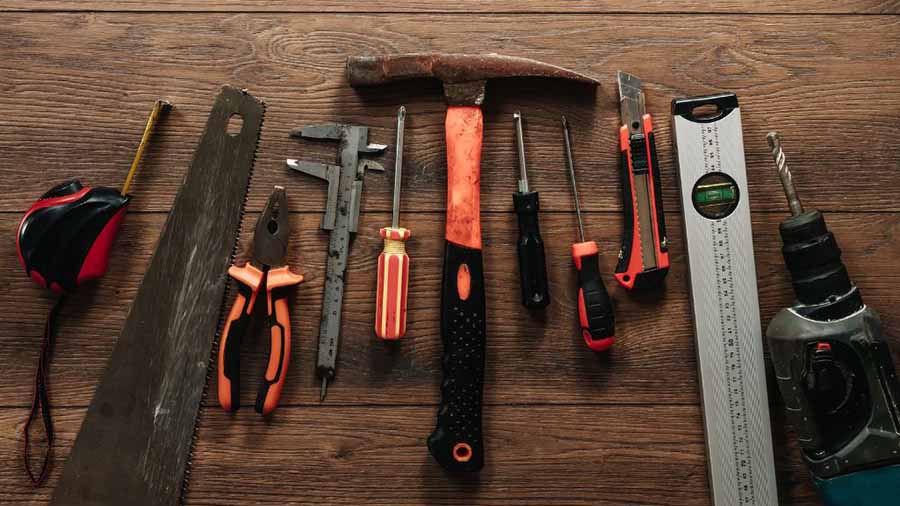


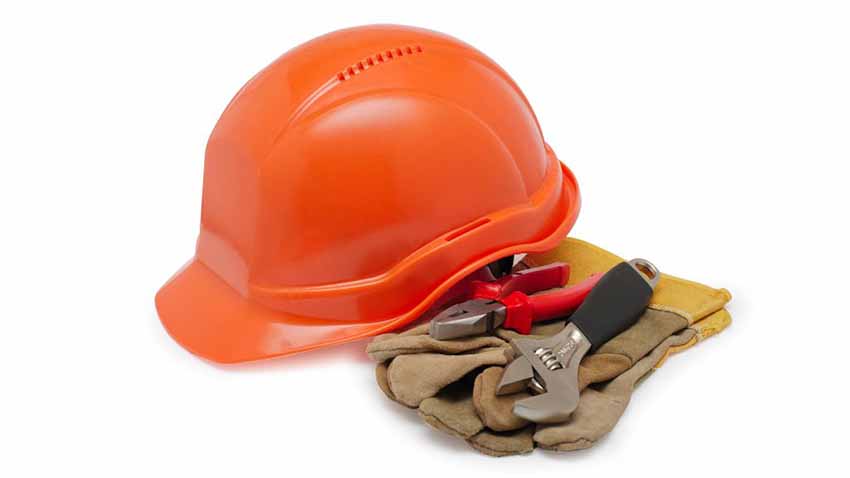
Hard hats are a must-have for industries like construction, manufacturing, and engineering. People wear hard hats to protect themselves from falling objects, electrical shocks, and other head injuries.
However, you may have many questions in mind, especially if you’re new to these hats. Some common questions can come to your mind, like how much impact they can handle and if they’re truly necessary for every task.
We will start by answering the question, “Do hard hats actually work?” and cover every other topic that’s related to wearing hard hats and their efficiency in keeping you protected. Let’s dive in!
Do Hard Hats Actually Work? How Do They Protect You?
Yes, hard hats effectively act to save people’s lives on construction sites. Here’s how hard hats’ key features help protect you on the job places:
1. The Outer Shell
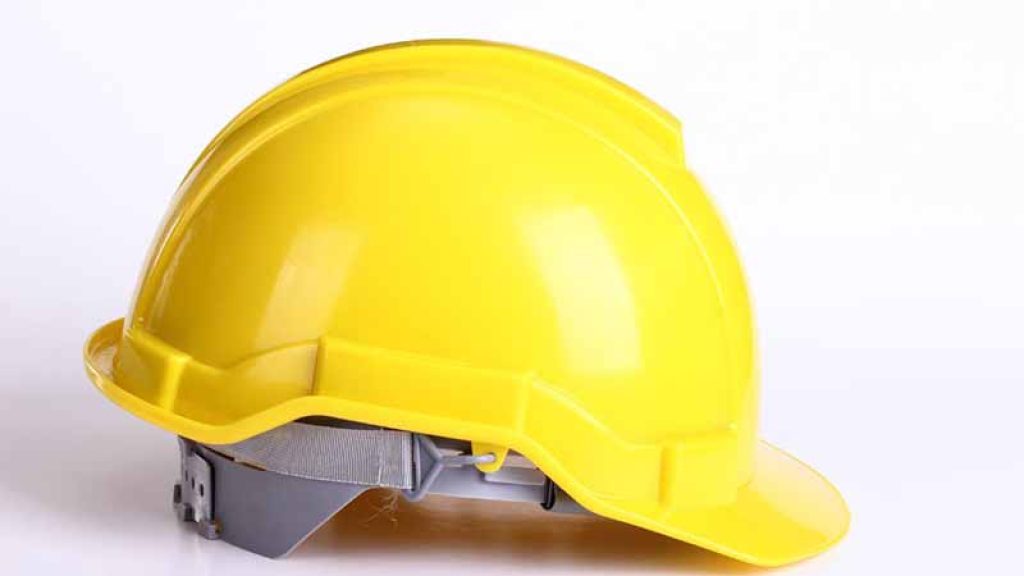
The most noticeable part of a hard hat is its tough outer shell. It’s made from durable materials that resist impact.
Picture a falling object striking your hard hat instead of your head; the shell’s job is to take the hit and spread the force over its surface. This design reduces the chance of injury to your skull.
2. Suspension System Inside the Hat
The suspension system inside your hard hat is a key feature that protects you by creating a gap. The gap is usually about an inch to an inch and a half between your head and the outer shell.
This space absorbs impact energy before it reaches your head, acting like a buffer. Just be careful not to store items like keys, cigarettes, or small tools in this space, as these could press into your head during an impact and increase the risk of injury.
3. Electrical Insulation
Some hard hats provide protection against electrical hazards, which is essential if you’re working near live wires or electrical equipment.
Not all hard hats have this feature, so always check your helmet’s rating if you need insulation from electrical shocks. These specially rated-hats can prevent electricity from reaching your head, offering an extra layer of safety.
4. Protection Against Liquids and Chemicals
Hard hats don’t just protect you from impacts; they also help shield you from splashes, drips, and spills.
The brim on a hard hat can prevent liquid from dripping onto your scalp or running down into your eyes, which is especially useful if you’re working around chemicals or other harmful substances.
However, wearing the hard hat with the brim facing backwards can make this feature less effective. Only reverse your hard hat if the manufacturer specifies it’s safe and ensures the suspension system is correctly adjusted.
5. Compatibility with Additional PPE
You can pair hard hats with other personal protective equipment (PPE) like face shields, goggles, and ear protection.
Many hard hats let you attach these items directly to the helmet instead of placing them on your head. This setup keeps your face and eyes safe while still providing the impact protection you need from the hard hat.
Tips for Wearing Your Hard Hat for Maximum Protection
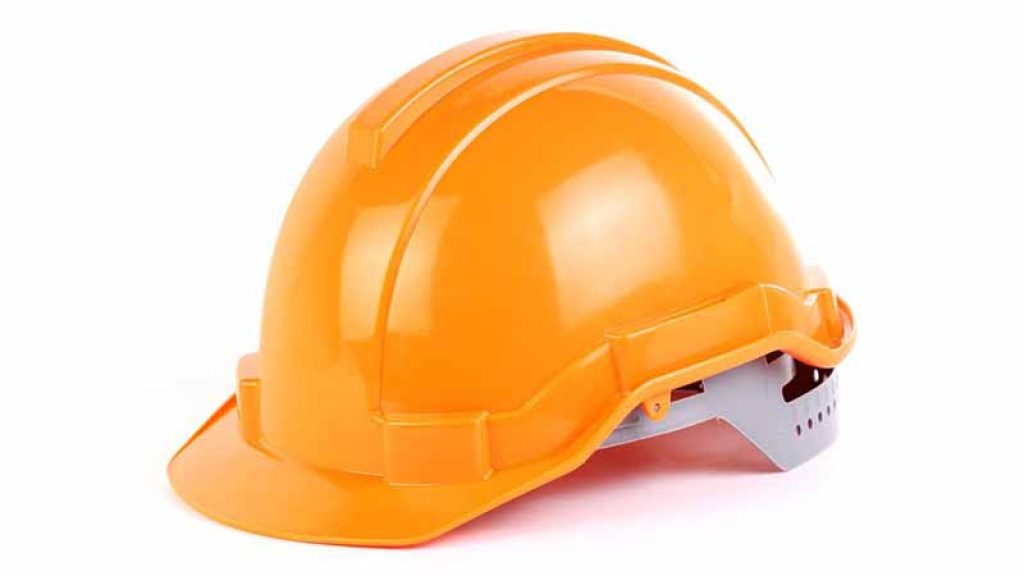
Yes, hard hats will save you and offer head protection in many work environments, but they only provide full safety when worn correctly. Here’s a quick guide to help you get the most out of your hard hat and ensure maximum protection.
1. Choose Compatible Parts
Always use the suspension system and shell provided by the same manufacturer. Hard hat components are tested together to meet strict ANSI standards, so mixing parts from different brands can compromise safety.
2. Face the Right Direction
Wear your hard hat with the bill facing forward unless it’s designed for reverse wear. Wearing it backwards reduces the protective coverage unless specifically allowed by the manufacturer.
3. Check the Fit
Adjust the fit, so your hard hat feels secure without being too tight. The suspension system should create a 1–1¼-inch space between your head and the shell. It should provide essential shock absorption in case of impact.
If your hard hat feels loose, tighten the suspension to prevent it from slipping or falling off, but avoid making it so tight that it leaves a mark on your forehead.
4. Avoid Perching
Never perch your hard hat on the back of your head. It should sit level and cover the top and sides to offer full protection. A correctly positioned hard hat stays on securely, even if you bend or lean forward.
5. Consider Using a Chin Strap
If your job involves working at heights or near deep drops, use a chin strap to secure your hard hat. Manufacturer-approved chin straps can prevent it from falling off if you work in challenging conditions.
Mistakes to Avoid for Proper Hard Hat Safety and Protection
Before wrapping up, here are the key mistakes to avoid to ensure your hard hat gives you maximum protection.
- Do Not Other Hats or Caps Underneath: Adding a hat or cap under your hard hat can cause it to shift out of position and reduce its effectiveness. Only use a thin liner designed for hard hats if you need extra warmth or comfort, and check that it doesn’t affect the fit or stability.
- Don’t Ignore Cracks or Damage: Even minor cracks weaken your hard hat’s protection. If you notice cracks, dents, or other signs of wear, replace the hard hat immediately.
- Never Use a Bump Cap as a Substitute: Bump caps might look similar to hard hats, but they’re not designed to protect you from falling objects. Only use a certified hard hat for workplaces with falling object hazards.
- Don’t Wear the Hard Hat Tilted Back: Wearing a hard hat on the back of your head might seem comfortable, but it leaves your forehead and head vulnerable. Position the hard hat level on your head to fully cover and protect your head. Make sure the headband rests just above your eyebrows.
FAQs
How Much Impact Can A Hard Hat Take?
Every hard hat needs to meet ANSI impact standards for worksite safety. This requires the hat to endure the impact of an 8-pound ball dropped from 5 feet height onto its top, with a peak force tolerance of up to 1,000 pounds.
How High Should A Hard Hat Sit?
You should place the hard hat directly on your head. The hat should cover the crown and sit about 1 to 1.5 inches above the eyebrows. Keep the fit level so the hat rests evenly, avoiding any forward, backwards, or sideways tilt.
Last Words
Do hard hats actually work?
Yes, they do. Hard hats offer protection against electrical hazards, falling objects, and other potential injuries. To ensure they work effectively, always wear your hard hat correctly, maintain proper fit, and avoid using damaged or incompatible components.
Stay safe, and always prioritise proper gear!